Choose Your Own Adventure
How Making It Your Own Became the Biggest Trend in Interior Design
For years, interior design trends followed a familiar formula. Neutral palettes. Matching furniture sets. Perfectly styled rooms that appeared as if they belonged in a catalog rather than a home.
But something has shifted.
The most beautiful interiors today are not the ones that perfectly follow trends. They are the ones that feel personal, layered, and deeply connected to the people who live there.
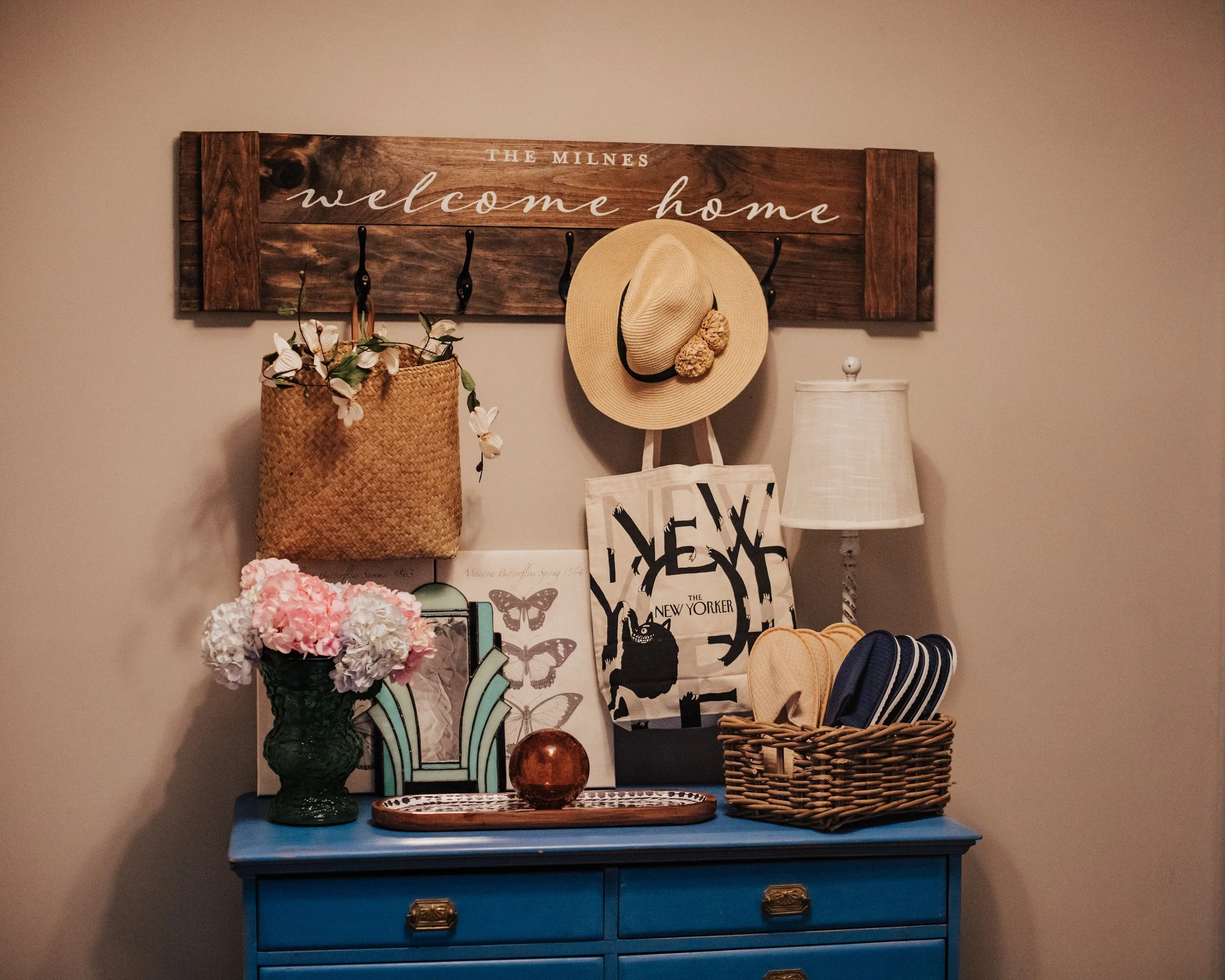
Instead of copying a single design style, homeowners are taking a much more interesting approach. Mixing vintage pieces with modern furniture. Displaying meaningful objects. Designing spaces around art, travel finds, and heirlooms.
Interior design has quietly entered its choose-your-own-adventure era. And the result is homes that feel warmer, more authentic, and far more memorable.
Why Personalized Interiors Are Taking Over
One of the biggest shifts in design right now is a move away from deliberately curated interiors toward spaces that feel lived-in and collected over time.
Defined aesthetic has been commonplace on social media for years. Minimal rooms, identical furniture sets, and spaces that looked beautifully styled but often lacked personality.
Now homeowners are craving something different.
They want rooms that feel layered and meaningful. A space where a vintage coffee table can sit next to a contemporary sofa. Where artwork collected during travel becomes the focal point of the room. Where shelves tell a story about the people who live there.
Instead of asking “What style should my home be?” many people are asking a better question.
“What feels like me?”
The Rise of the Collected Living Room
One of the clearest examples of this shift is happening in living rooms.
Many of us were taught that furniture was to be purchased in matching sets. Sofa, loveseat, and chairs are designed to coordinate perfectly.
Today, designers are moving away from that formula.
A collected living room develops gradually, unlike a space that appears fully assembled at once. Different materials, shapes, and textures combine to create a space that feels layered and intentional.
Mixing vintage furniture with newer pieces is a great starting point. A mid-century coffee table paired with a modern sofa can instantly add depth and personality.
Texture also plays an important role. Linen upholstery, wood furniture, woven baskets, and ceramic objects create a room that feels visually rich without feeling cluttered.
The goal is not perfection. The goal is character.
Designing Around Meaningful Pieces
Another way homes are becoming more personal is by designing rooms around objects that hold meaning.
Rather than selecting decor solely for aesthetics, many begin with something they love and build the room around it.
That could be a large piece of artwork above the sofa. A vintage chair passed down through family. A collection of ceramics picked up while traveling.
These pieces often become natural focal points.
When a room begins with something meaningful, the design tends to feel more authentic. Colors, textures, and furniture choices start to fall into place around that anchor piece.
It is a simple shift in thinking, but it makes spaces feel far more personal.
Nostalgia Is Finding Its Way Back Into Our Homes
There is also a growing appreciation for items that conjure up familiarity and memory.
Vintage furniture, retro patterns, and heirloom pieces are increasingly appearing in homes. These elements bring a sense of history that newer pieces sometimes lack.
The key to making nostalgia work is balance.
Pairing a vintage coffee table with contemporary seating keeps the room feeling fresh, while patterned textiles, introduced through pillows or throws, can add character without overwhelming the space.
When used thoughtfully, nostalgic elements bring warmth and emotional connection to a room.
Texture Is Replacing Perfect Minimalism
Ultra minimal interiors are slowly giving way to spaces that feel softer and more layered.
Instead of stark rooms with only a few pieces of furniture, designers are introducing texture through natural materials and fabrics.
Wood, linen, wool, stone, and woven materials all contribute to this effect.
These elements create depth without requiring additional square footage, which makes them especially effective in smaller living spaces.
A woven basket beside the sofa, a textured rug underfoot, and linen drapery framing the windows each make a room feel more inviting almost instantly.
Shelves That Tell a Story
Bookshelves and consoles have also become an opportunity for self-expression.
Instead of purely decorative accessories, people are styling shelves with objects that reflect their lives.
Books collected over time. Small sculptures. Vacation souvenirs. Framed photographs.
The secret to making shelves look curated rather than cluttered is balance.
Mixing objects of different heights and materials helps. Leave space between items so each piece has room to stand out.
When done well, shelves become a visual story about the people who live in the home.
How Designers Keep Personalized Rooms Cohesive
With so many personal elements in a room, it can feel difficult at times to keep everything cohesive.
This is where thoughtful design becomes important.
Most designers rely on a few simple principles.
A consistent color palette can unify different furniture styles. Visual connection builds as materials repeat throughout the space, and neutral foundation pieces allow statement items to stand out without overwhelming the room.
When these elements work together, even highly individualized spaces feel balanced and intentional.
The Best Homes Feel Personal
The most memorable homes rarely look like they were styled all at once.
They feel collected. Layered. Personal.
When a room reflects the experiences, memories, and objects that matter most to the people who live there, it becomes something more meaningful than a perfectly styled space.
It becomes a home that tells a story. Their story.
And those are always the most interesting rooms to walk into.
Creating a home that shares your unique story and feels cohesive calls for intention. If you are ready for a space that genuinely reflects your life and personality, thoughtful design guidance can help bring all the elements together.